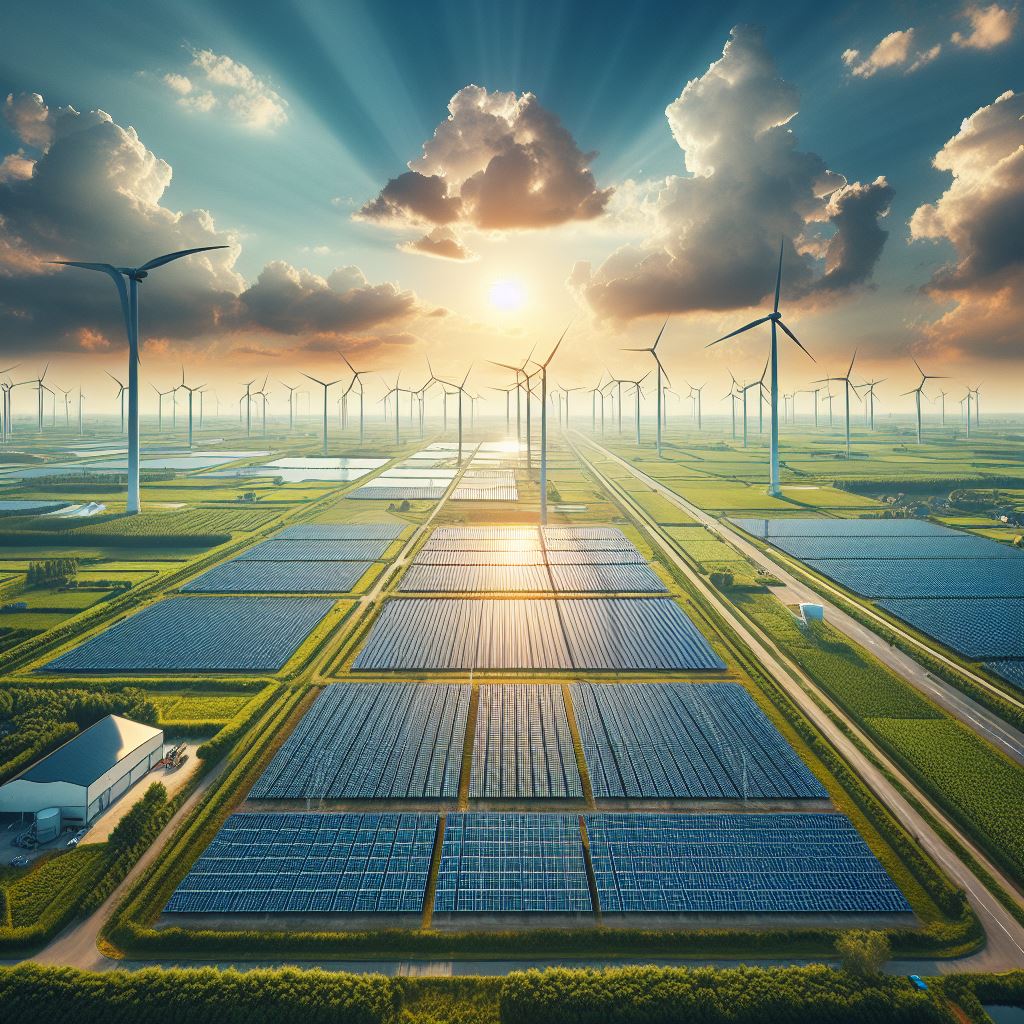
Our laboratory develops technologies that contribute to solving resource and environmental issues, such as renewable energy generation and high-efficiency energy utilization. We conduct research on energy materials, semiconductor materials, and manufacturing processes using computational simulations and artificial intelligence. In particular, we address a wide range of systems, from fluids to solids and from the nanoscale to the macroscale, and achieve an integrated approach from materials design to manufacturing process optimization through the elucidation of physical phenomena based on first-principles calculations, machine learning, and statistical physics. In addition, we promote research on advanced technologies that will support future society, including solar cells, hydrogen storage, nuclear fusion, space-oriented devices, and functional polymers.
1. High-efficiency, low-cost solar cells
We explore novel photovoltaic materials systems, low-cost mass production schemes, higher-efficiency device operation principles and structures for the realization of wide use of solar cells.
2. High-performance hydrogen storage systems
We introduce novel engineering techniques to improve the existing hydrogen-storage systems via a series of hydrogen dynamics modelling.
3. In-space manufacturing of high-quality semiconductor materials and devices
Focusing on the fact that outer space is a natural ultra-clean room and the various benefits brought by the microgravity environment, we conduct basic research on methods for fabricating high-quality semiconductor materials and high-performance electronic and optical devices with a view toward the future space era.
4. Nanomaterials engineering for nuclear-fusion electric generation
We study nuclear fusion reactor materials, particle and thermal cycles with particular interest in nanomaterials, surfaces and interfaces towards practical electric generation.
5. Fundamentals and Applications of Information Thermodynamics
We conduct research on a new form of thermodynamics based on the equivalence and convertibility of energy and information, while also exploring applications in fields such as chemical reactions, processes, and neuroscience.
6. Multi-scale modeling and analysis for complex fluid flows
We develop a novel numerical method to predict complex fluid flows and track their multi-scale temporal and spatial structures.